
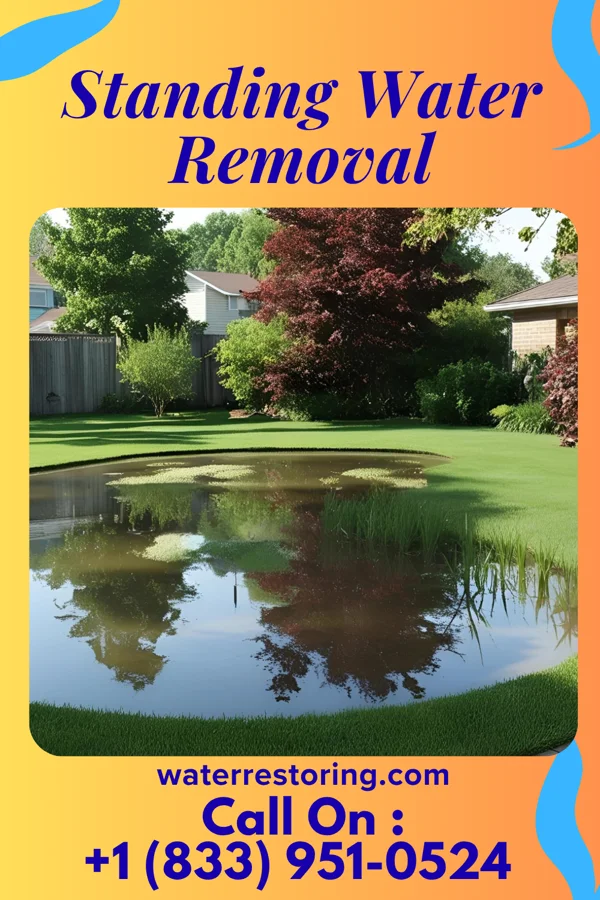
Standing Water Risks in Hecla
Property owners across Hecla call certified water damage restoration when In Hecla, South Dakota, the primary water damage cause is often related to agricultural runoff and seasonal flooding due to the area's rural nature and proximity to the James River. Heavy rainfall events can lead to sudden water accumulation in low-lying areas, particularly near Ludden, ND, and Claremont, SD. This is especially common during spring thaw and late summer storms.. A close second is Secondary causes include plumbing failures in older homes, backed-up sewers during heavy rains, and leaks from livestock water systems. Additionally, the region's cold climate can lead to frozen pipes bursting in winter, causing unexpected water damage..
Hecla's rural setting and proximity to the James River make it vulnerable to flash flooding, especially during spring and early summer. The area experiences cold winters and warm summers, which can lead to both frozen pipe bursts and rapid water accumulation from sudden rain events.
Hecla's rural setting and proximity to the James River make it vulnerable to flash flooding, especially during spring and early summer. The area experiences cold winters and warm summers, which can lead to both frozen pipe bursts and rapid water accumulation from sudden rain events. The dominant local driver is In Hecla, South Dakota, the primary water damage cause is often related to agricultural runoff and seasonal flooding due to the area's rural nature and proximity to the James River. Heavy rainfall events can lead to sudden water accumulation in low-lying areas, particularly near Ludden, ND, and Claremont, SD. This is especially common during spring thaw and late summer storms., with Secondary causes include plumbing failures in older homes, backed-up sewers during heavy rains, and leaks from livestock water systems. Additionally, the region's cold climate can lead to frozen pipes bursting in winter, causing unexpected water damage. showing up as the next most common cause. Damage builds in stages. Spread. Absorption. Microbial growth. Structural compromise. Every stage you pass through adds to the final bill.